Swallowing Problems
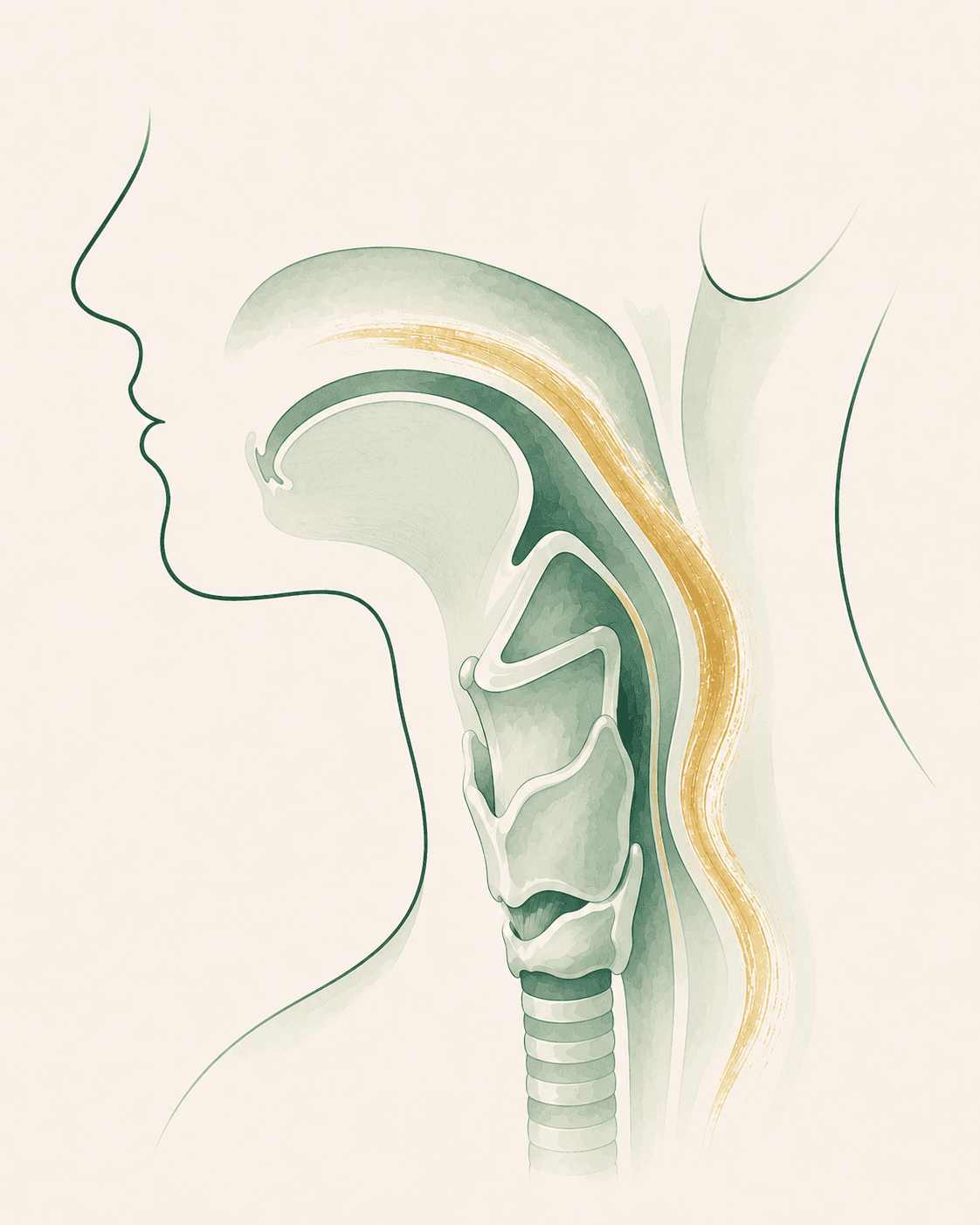
Struggling to swallow is exhausting and quietly isolating, and it should not be put down to age or nerves without being looked at. A camera examination in clinic can help show where the problem may lie, with further assessment arranged where needed.
Conditions Mr Bidaye treats
Trouble swallowing food, drink or tablets
Oropharyngeal and upper-oesophageal dysphagia
Food sticking at the top of the throat
Cricopharyngeal dysfunction
Regurgitating food, pouch in the throat
Pharyngeal pouch (Zenker's diverticulum)
Food going down the wrong pipe, coughing at meals
Aspiration and choking
Feeling of a lump in the throat
Globus sensation
Difficulty burping, chest and throat bloating
Retrograde cricopharyngeal dysfunction (no-burp syndrome)
Procedures & techniques
Clinical swallow assessment
Carried out by the private speech and language therapist
Swallow test with a camera
FEES (fibreoptic endoscopic evaluation of swallowing) is not routinely available; where provided, it is performed independently by a speech and language therapist by referral, subject to availability
Imaging of the swallow
Videofluoroscopy and barium swallow may be arranged where appropriate
Gastroenterology testing
pH testing and oesophageal manometry may be arranged through gastroenterology colleagues
Selected upper-oesophageal procedures
May include cricopharyngeal Botox, upper-oesophageal dilatation (under general anaesthetic), cricopharyngeal myotomy and pharyngeal-pouch surgery, depending on assessment
Mr Bidaye's approach
Swallowing problems run from a lump-in-the-throat feeling through to food entering the airway. Mr Bidaye's training in laryngology and head and neck surgery covers that whole range, so the assessment approach is consistent whichever end of it you are at.
Book a consultation
Appointments are with Mr Bidaye himself and run a full half hour, so there is time to examine, explain, and answer what brought you in. Private appointments can be booked online; our secretary can also advise on insurance and fees.